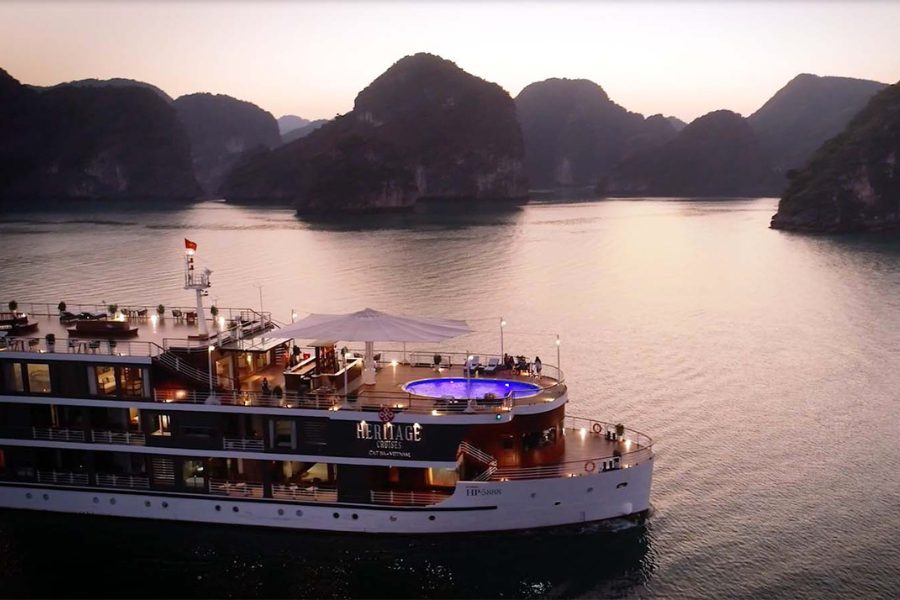
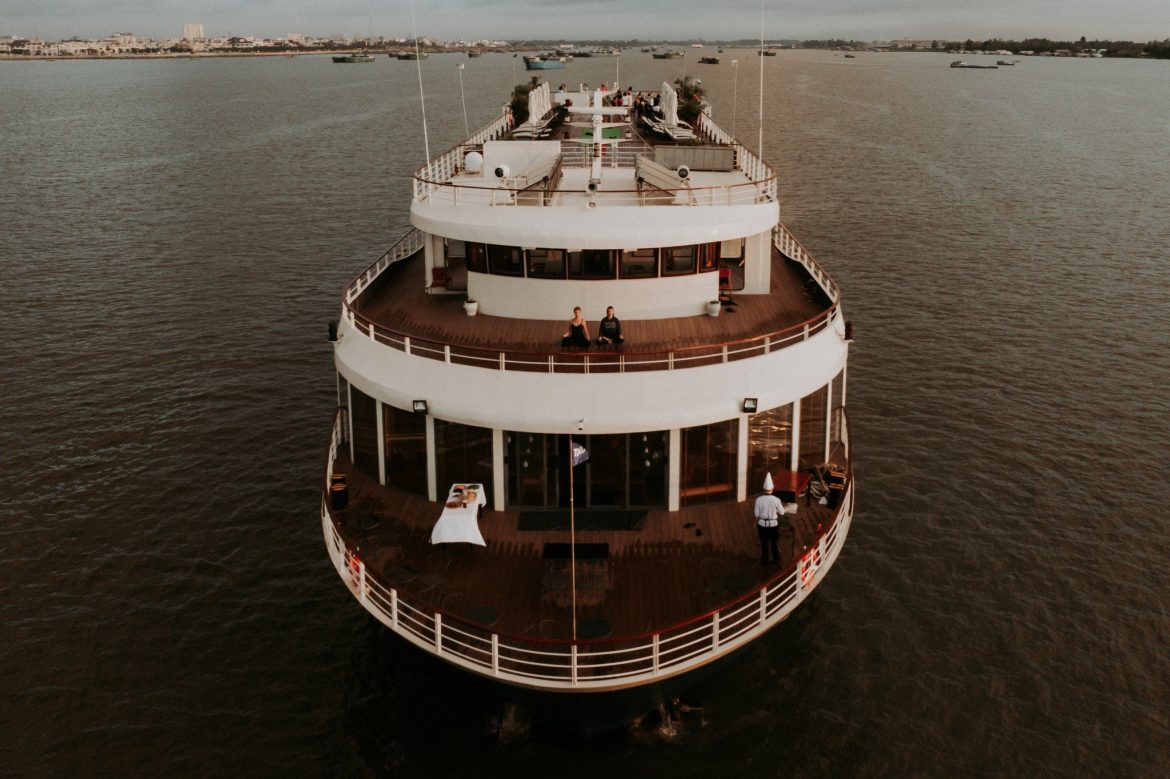
From verdant rice fields and jungle-clad mountains to timeless rivers and sacred temples, Low Carbon Indochina invites visitors to engage deeply and sustainably. This article explores low carbon experiences across the region that empower travelers to journey responsibly, reduce their ecological footprint, and support local livelihoods-without compromising on comfort, beauty, or authenticity.
Why Choose Low Carbon Travel in Indochina?
Indochina is experiencing the twin pressures of rapid tourism growth and climate vulnerability. From rising sea levels in the Mekong Delta to increased flooding in Luang Prabang and Siem Reap, the region is already feeling the effects of environmental stress. Low carbon travel isn’t just a trend-it’s a necessity for preserving the unique charm of Indochina for future generations.
For the conscious traveler, low carbon travel brings deeper value:
1. Vietnam: Eco Experiences Along the Mekong and Beyond
Mekong River Slow Cruises
Instead of carbon-heavy domestic flights, consider a luxurious yet low-impact slow cruise through the Mekong Delta. Traditional wooden sampans or solar-powered boats gently glide through coconut groves and floating markets. These cruises often work with local artisans, farmers, and homestays-bringing you closer to the cultural heartbeat of the Delta.

Tip: Choose operators that prioritize river ecology, use electric engines or offset emissions, and offer locally sourced meals.
Cycling Through Hoi An’s Countryside
Hoi An isn’t just a UNESCO World Heritage site-it’s a model for sustainable tourism. Rent a bicycle and ride through lush rice paddies, organic vegetable farms in Tra Que, and riverside villages. The town has several eco-initiatives, including car-free zones and green building codes.
Tip: Visit a community-run farming project to learn how local produce is grown and harvested with zero chemicals.
Stay in Eco-Lodges in Northern Vietnam
In Sapa or Ha Giang, skip chain hotels and opt for earth-friendly mountain lodges or family-run eco-homestays. Many are constructed from bamboo or reclaimed wood and use solar energy. Hiking through these northern highlands also leaves a lighter footprint than driving, and guides are often locals trained in sustainable trekking.
2. Laos: Timeless Beauty in a Low Impact Way
Laos, often described as Southeast Asia’s best-kept secret, is ideal for slow, mindful travel. With its tranquil pace, deep Buddhist heritage, and relatively low-density tourism, the country naturally lends itself to low-impact exploration.
River Expeditions with Purpose
The mighty Mekong and its tributaries like the Nam Ou offer immersive, low-carbon travel routes. Traditional longboats powered by electric or hybrid motors take travelers past karst mountains, bamboo forests, and villages that remain off the grid.

Cruises such as Shompoo Cruise or Luang Say integrate low carbon practices like:
Luang Prabang: Ethical Exploration
Luang Prabang is a shining example of how heritage conservation and responsible tourism can work together. Home to over 30 Buddhist temples, the town encourages respectful engagement with monastic culture. Instead of crowding monks during morning alms, learn about the tradition through ethical guides.

Eco-conscious cafés, zero-waste shops, and women’s handicraft cooperatives add to the city’s appeal. Visitors can also take part in cultural activities such as dyeing fabrics with natural indigo or learning traditional weaving techniques.
Stay at:
Community Treks and Wildlife Sanctuaries
The north of Laos is home to pioneering conservation projects like Nam Et-Phou Louey National Park. Travelers can track wildlife using infrared camera traps, stay in eco-lodges powered by solar energy, and contribute to conservation through entrance fees that directly support forest protection and anti-poaching programs.
3. Cambodia: Regeneration Through Responsible Travel
Once synonymous with mass tourism around Angkor Wat, Cambodia is rapidly emerging as a leader in responsible travel practices.
Explore Angkor Differently
Instead of relying on tuk-tuks and large buses, travelers can now explore Angkor on foot, by e-bike, or with pedal-powered tuk-tuks. Early morning low carbon or late afternoon tours help avoid heatwaves and large crowds, while deepening your personal connection to the sacred sites.
Companies like Butterfly Tours or Grasshopper Adventures offer ethical itineraries focused on heritage, with minimal environmental impact.
Responsible tips:
Support Wildlife and Reforestation
Just 40 km from Phnom Penh, Phnom Tamao Wildlife Rescue Center rehabilitates animals rescued from the illegal wildlife trade. Visitors can observe sun bears, gibbons, and elephants in natural enclosures, all while learning about Cambodia’s biodiversity and conservation efforts.
Meanwhile, reforestation initiatives like Trees for the Future Cambodia welcome travelers who wish to participate in low carbon planting native trees to restore deforested lands.
Eco-Island Escapes
Cambodia’s southern coast and island archipelagos like Koh Rong Sanloem are embracing regenerative hospitality. Resorts such as Song Saa Private Island and Six Senses Krabey Island offer barefoot luxury powered by renewable energy, rainwater harvesting systems, and low carbon coral restoration programs.

Activities include:
Practical Tips to Travel Low Carbon in Indochina
Final Reflections: Journey with Purpose
Traveling through Indochina the low-carbon way means more than just reducing emissions-it’s about forging meaningful connections, honoring the resilience of local cultures, and helping protect the breathtaking environments that make this region so unique.
From the stillness of dawn at Angkor Wat to the rhythms of river life in the Low Carbon Mekong Delta, your journey can reflect a deeper respect for the land and its people. Choosing low-impact activities, conscious accommodations, and slower, more immersive routes allows you to experience the heart of Indochina in its most authentic form.
Let your journey be a gentle footprint across Southeast Asia-a story of discovery that leaves the region more vibrant than you found it.
Conclusion
Planning your eco-luxury Low Carbon Indochina trip? Let Lux Travel DMC tailor a bespoke itinerary that blends elegance with environmental ethics. Every detail, from your stay to your experiences, is thoughtfully curated to leave lasting memories-and minimal footprints.